How to Choose the Right Digital Piano or Music Keyboard
By FindKeyboard.com · Updated September 2026

Buying a keyboard is one of the most confusing purchases a musician can make. Hundreds of models, contradictory advice, and specs that mean nothing to most buyers. This guide cuts through the noise and gives you a practical framework for making the right decision.
The Four Main Types of Keyboards
Before comparing models, you need to understand what category you're buying in.
Digital Piano

A digital piano replicates the acoustic piano experience as closely as possible. It has 88 weighted, hammer-action keys that respond to touch — just like a real piano. If you're learning classical technique or plan to transition to an acoustic piano, this is the right choice.
Best for: Beginners learning proper technique, classical players, home practice
Popular models: Yamaha P-145, Roland FP-30X, Casio PX-S3100
Price range: $400–$1,500+
Portable Keyboard / Arranger Keyboard

Lighter, more versatile, and more affordable than a digital piano. Typically 61 or 76 keys, often unweighted, with hundreds of built-in sounds and rhythms. Great for beginners exploring music broadly, or players who need portability.
Best for: Beginners, casual players, kids, performers who travel
Popular models: Yamaha PSR-E373, Casio CT-X700, Roland E-X30
Price range: $100–$500
Synthesizer
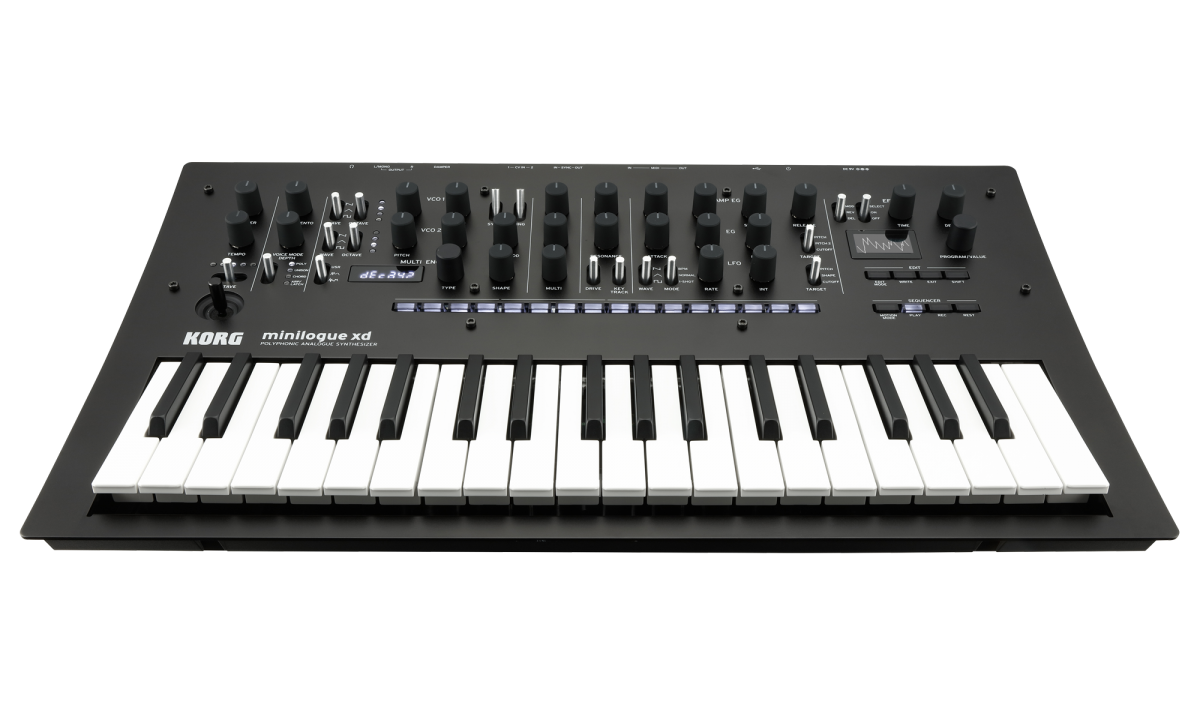
Built for sound design and music production. Rather than simulating acoustic instruments, a synth lets you create and shape sounds from scratch. Used in electronic music, pop production, and live performance.
Best for: Music producers, electronic musicians, advanced players
Popular models: Korg Minilogue XD, Roland JD-Xi, Arturia MiniFreak
Price range: $300–$2,000+
MIDI Controller / MIDI Keyboard
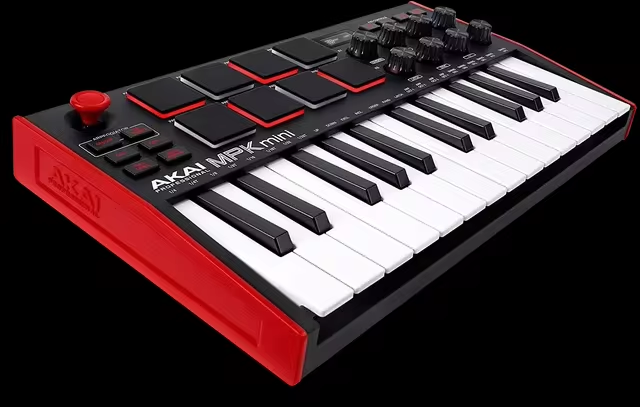
A MIDI controller has no sounds of its own — it sends signals to software or external sound modules. Used by producers and studio musicians who work with software instruments like Ableton, Logic, or FL Studio.
Best for: Music producers, home studio owners, laptop musicians
Popular models: Arturia KeyLab Essential, Akai MPK Mini, Native Instruments Komplete Kontrol
Price range: $50–$500
The Four Key Decision Factors
1. What Will You Use It For?
This is the most important question. Be honest with yourself.
2. How Many Keys Do You Need?
For most beginners, 61 keys is sufficient. If you plan to learn classical pieces or full piano arrangements, go for 88.
3. Weighted vs. Unweighted Keys
This is the most overlooked factor — and the most important.
Bottom line: If you're learning piano, always choose weighted keys. Don't compromise here.
4. Budget Guide
Top Recommended Models by Category
Best Digital Pianos

Yamaha P-145
Best entry-level weighted piano under $500
View on Amazon open_in_new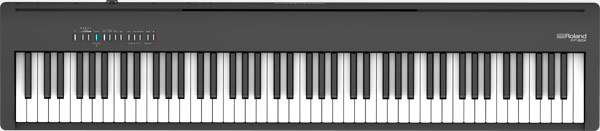
Roland FP-30X
Best mid-range, exceptional key action

Casio PX-S3100
Best value with Bluetooth connectivity
View on Amazon open_in_newBest Portable Keyboards

Yamaha PSR-E373
Best all-around beginner keyboard
View on Amazon open_in_new
Casio CT-X700
Best budget option with quality sounds

Roland E-X30
Best for performance and accompaniment features
View on Amazon open_in_newBest Synthesizers for Beginners

Korg Minilogue XD
Best analog synth for beginners — polyphonic with deep sound design
View on Amazon open_in_new
Arturia MiniFreak
Best hybrid synth under $600 — massive sound palette for the price

Roland JD-Xi
Best compact synth for live performance — analog + digital voices with built-in sequencer
Best MIDI Controllers

Akai MPK Mini MK3
Best compact controller for producers — pads, knobs, and great software bundle
View on Amazon open_in_new
Arturia KeyLab Essential 61
Best full-size controller for studio use — 61 keys with faders, pads, and Arturia software

Komplete Kontrol M32
Best for Native Instruments users — deep NKS integration with smart browse
Common Mistakes to Avoid
Buying unweighted keys when learning piano.
The most common — and costly — mistake. Cheap unweighted keys will hold back your technique. Invest in weighted keys from the start.
Overbuying features.
600 built-in sounds sounds impressive. You'll use 5. Focus on key action and sound quality over feature count.
Ignoring portability.
Know where and how you'll play before buying. A heavy digital piano is great at home — useless for gigging.
Buying based on looks alone.
Key action and sound engine matter far more than aesthetics. Always try before you buy if possible.
Skipping the research on brands.
Yamaha, Roland, and Casio dominate the beginner and mid-range market for good reason — reliability, resale value, and support. Be cautious with unknown brands at the low end.
Digital Piano vs. Keyboard: Quick Summary
| Digital Piano | Portable Keyboard | Synthesizer | MIDI Controller | |
|---|---|---|---|---|
| Keys | 88 weighted | 61–76 unweighted | 25–61 | 25–88 |
| Sounds | Piano-focused | Hundreds | Customizable | None (uses software) |
| Portability | Low | High | Medium | High |
| Price | $400–$1,500+ | $100–$500 | $300–$2,000+ | $50–$500 |
| Best for | Learning piano | Beginners, kids | Producers | Studio work |
Frequently Asked Questions
Do I need weighted keys to learn piano?
Yes. Weighted keys build proper finger strength and technique. If you ever plan to play an acoustic piano, weighted keys are essential from the start. Unweighted keys will hold back your technique development.
How many keys do I need on a keyboard?
For most beginners, 61 keys is sufficient. If you plan to learn classical pieces or full piano arrangements, go for 88 keys. 25-49 keys are only suitable for MIDI controllers used in music production.
What is the difference between a digital piano and a keyboard?
A digital piano replicates the acoustic piano experience with 88 weighted keys and realistic piano sounds. A portable keyboard typically has 61-76 unweighted keys, hundreds of sounds and rhythms, and is better for beginners, casual players, or performers who need portability.
What is a good budget for a beginner keyboard?
Entry-level keyboards start under $200 for basic portables. For a decent digital piano with weighted keys, budget $200-$500. The $500-$1,000 range offers quality weighted keys from brands like Roland and Yamaha. Professional instruments start at $1,000+.
Still Not Sure Which Keyboard to Buy?
Every player's situation is different — experience level, budget, use case, and goals all affect the right choice. FindKeyboard asks you 5 targeted questions and recommends a specific model tailored to your needs. Free to use, no signup required.
Find My Keyboard arrow_forwardFindKeyboard.com is an AI-powered keyboard recommendation tool. This article contains affiliate links — we may earn a commission when you purchase through our links, at no extra cost to you.