61 vs 76 vs 88 Keys: Which Digital Piano to Buy (2026)
By FindKeyboard.com · Updated August 2026
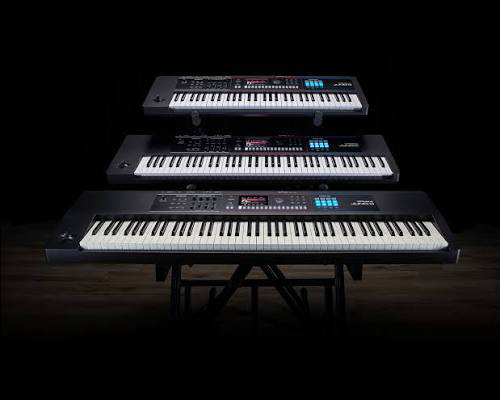
The size question is simpler than forums make it. If you want to learn piano, buy 88 weighted keys. If you want something cheap, light, and full of extra sounds, buy 61. 76 keys are a gigging compromise, not a beginner default.
Do not search "best keyboard." In 2026 that phrase is mostly PC gaming boards. You want a digital piano or a portable keyboard, and those are different instruments.
Quick pick
- →Learning piano / lessons / acoustic later: Yamaha P-145 (88 weighted)
- →Better key feel at the same price: Roland FP-10
- →Kid, casual, extra sounds, under $200: Yamaha PSR-E273 (61 unweighted)
The Yamaha P-45 still appears in old roundups. It is discontinued. Use leftover P-45 stock only if it is clearly cheaper than a P-145.
61 keys — light, cheap, not a piano
Most 61-key instruments are unweighted. They feel like an organ or a synth. That is a feature if you play organ, pads, or live pop. It is a problem if you are building piano technique.
You can learn notes on 61 keys. You cannot honestly say you are learning piano touch. If lessons last more than a couple of months, you will want 88 weighted keys — and you will have practiced the wrong resistance.
76 keys — for people who gig, not for people who are starting
76 is extra range without the full slab. Gigging players use it because it fits in a car. Beginners rarely need it. You either want the cheap portable (61) or the real piano (88). Sitting in the middle costs more than 61 and still is not a full piano.
No default 76-key buy link here on purpose. If you already gig and know you want 76, shop that size on purpose. Do not land on 76 because a chart called it "intermediate."
88 keys — this is the beginner piano
88 keys is a full piano keyboard. Almost every serious home digital piano in this price band is weighted. That is the instrument piano teachers mean.
The 2026 default is the P-145, not the P-45.
If you try both in a store and the Roland keys feel better, that is a real reason to switch:
Both have built-in speakers, and both need a stand and bench. Check the box before you buy a pedal — the P-145 already includes an on/off footswitch: see sustain pedal for the Yamaha P-145. For the rest, see digital piano accessories.
For the full beginner shortlist (including the slim Casio PX-S1100), use best digital piano for beginners 2026.
Comparison
| Size | Typical feel | Portable | Price | Who it is for | Example |
|---|---|---|---|---|---|
| 61 | Unweighted | Very | Low | Kids, casual, extra sounds | PSR-E273 |
| 76 | Mixed | Yes | Mid | Gigging players who already know | Shop 76 on purpose, not as a default |
| 88 | Weighted | Least | Higher | Anyone learning piano | P-145 or FP-10 |
30-second decision
The homepage quiz will ask the same questions. If you already answered them, skip it and open Amazon.
FAQ
Should a beginner get 61 or 88 keys?
88 weighted if the goal is piano. 61 if the goal is cheap, portable, and casual.
Is a 76-key keyboard good for beginners?
It works. It is not the usual beginner recommendation. Most beginners should pick 61 or 88 and stop thinking about 76.
Do I need 88 keys to learn piano?
For serious piano and classical, yes. You can start on 61. You will hit the missing notes and the missing weight.
61 vs 88 in one sentence
61 is lighter, cheaper, usually unweighted. 88 is a full piano, usually weighted, and the one that does not make you buy twice.
What 88-key piano should I buy in 2026?
Yamaha P-145 for most people. Roland FP-10 if feel wins in the store.
Not Sure Which Size to Choose?
Answer a few quick questions and get a personalized recommendation based on your budget and needs. Free, no signup required.
Find My Keyboard arrow_forwardFindKeyboard.com is an AI-powered keyboard recommendation tool. This article contains affiliate links — we may earn a commission when you purchase through our links, at no extra cost to you.